
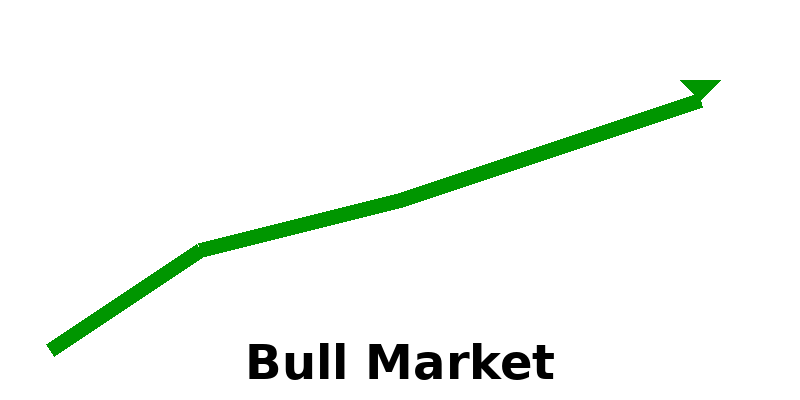
How to Spot a Crypto Bull Market Before the Stampede
The crypto world moves at warp speed; one minute you’re checking the charts, and the next you’re staring down a parade of green candles. But how do you know when it’s truly a bull market—and not just a short‑lived bounce? Here’s how to recognize the early signs so you can prepare, plan and ride the wave.
Understand What a Bull Market Is
A bull market is generally defined as an extended period when prices rise by at least 20 %. These runs are fueled by strong demand, limited supply and an upbeat mood among investors. While crypto prices can be notoriously volatile, historical bull markets in 2020 and 2021 saw Bitcoin and Ethereum smash through prior all‑time highs.
The tricky part? You often don’t realize you’re in a bull market until it’s well underway. That’s why it pays to recognize the signals early.
Macro and Sentiment Clues
Several fundamental factors typically line up to ignite a bull market:
• Positive regulatory or technological news – Governments easing restrictions or major upgrades like Ethereum’s shift to proof‑of‑stake attract institutional money.
• High investor confidence – The “Fear & Greed Index,” which gauges market sentiment on a 0–100 scale, swings toward “greed” during bull runs. This optimism creates a feedback loop: rising prices inspire more buying, and new buyers push prices higher.
• External catalysts – Past bull markets were triggered by Bitcoin halving events (which reduce supply growth), a flight from inflation and low interest rates during the pandemic. Any combination of monetary easing, new use cases (NFTs, DeFi) or broader adoption can light the fuse.
Keep an eye on mainstream media coverage too. When crypto stories move from niche blogs to nightly news, it often signals mainstream FOMO is kicking in.
Technical Indicators to Watch
Macro signals are great, but combining them with technical indicators strengthens your conviction. Here are three key metrics:
• Bitcoin dominance – When Bitcoin’s share of the total market capitalization declines while the total market cap rises, altcoins are outperforming. This shift typically accompanies a bull market.
• Relative Strength Index (RSI) – The RSI measures whether an asset is overbought or oversold on a 0‑100 scale. RSI values around 70 suggest overbought conditions and strong momentum, while values below 30 indicate oversold. During bull runs, RSI often stays elevated for longer periods.
• Moving averages – Price above long‑term moving averages, such as the 200‑day or 50‑day SMA, signals a bullish trend. A “golden cross,” where the 50‑day moving average crosses above the 200‑day moving average, historically heralds the start of major rallies. Bitcoin trading above its 200‑day SMA has often preceded strong bull markets.
No single indicator is perfect—RSI can stay high in a bull run, and moving averages are lagging. Combine them for a more reliable signal.
On‑Chain and Market Activity
A true bull run comes with visible changes across the ecosystem:
• Rising trading volumes – Increased volume confirms that more participants are buying rather than just speculating.
• New project launches and ICOs – Bull markets see a surge of token offerings, new venture funding and sky‑high valuations. A flurry of headlines about “the next big thing” is a classic sign of froth.
• Altcoin rallies – Historically, Bitcoin leads the charge early on, but as confidence grows, investors rotate into smaller caps, pushing the total market cap higher even as Bitcoin dominance falls.
• FOMO and community buzz – Social media sentiment turns euphoric. Memes abound. Friends and relatives who never cared about crypto suddenly ask for investment tips. This enthusiasm is both a sign and a warning.
Don’t Let the Bull Run You Over
Bull markets can be thrilling, but they also breed complacency. Prices can drop just as sharply—often when enthusiasm is at its peak. Here’s how to stay smart:
• Set clear goals and stick to them – Decide in advance how much profit you’re willing to take and at what price you’ll exit. Sell‑limit orders can automate this.
• Diversify – Spread your holdings across different coins and sectors. History shows that while Bitcoin often recovers from bear markets, many altcoins do not.
• Be wary of hype – Projects with no fundamentals can soar during a bull run, but they often plummet just as fast. Research token use cases, team credibility and roadmap before investing.
• Manage risk – Only invest what you can afford to lose. Use stop‑loss orders, avoid excessive leverage and maintain an emergency fund.
Bull markets come and go. The goal isn’t to catch every top or bottom—it’s to build wealth responsibly while enjoying the ride.
Final Thoughts
Spotting a crypto bull market early isn’t about crystal balls; it’s about watching macro signals, sentiment indicators and technical metrics together. When Bitcoin dominance slips, RSI climbs, the 200‑day SMA holds and the news is filled with positive headlines, the bulls may be preparing their charge.
Stay vigilant, educate yourself and don’t get swept away in hype. The next bull run can be a life‑changing opportunity if you plan with discipline and manage risk carefully. Good luck out there—and may your portfolio see more horns than bear claws.